Featured Cat

Mia (Mya)

Mia (Mya)

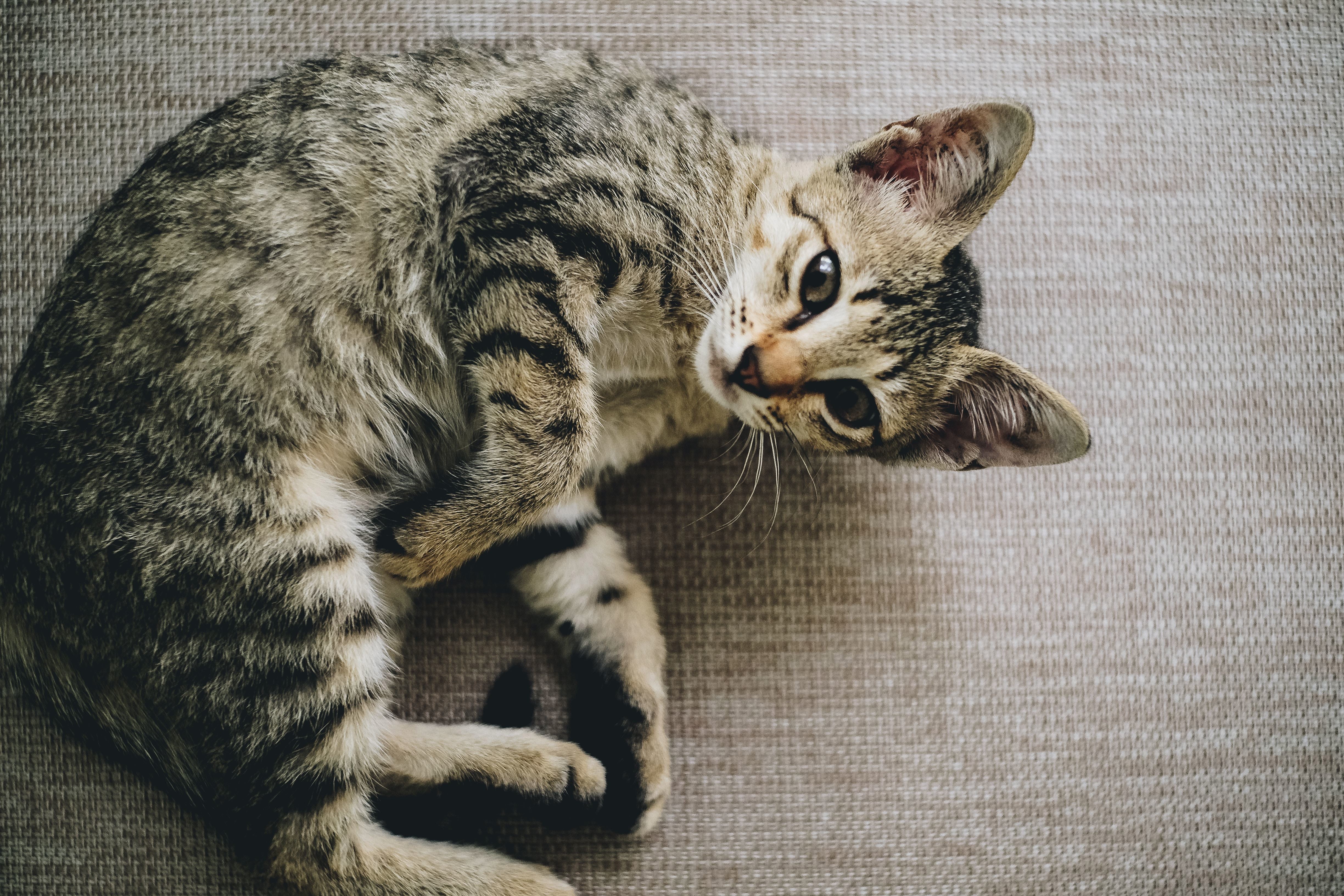
Hello, I'm Mia (Pronounced My-a) and I'm a ...

Cat news

Cool for Cats

Cool for Cats

The sun may be gone, for now, but here ...

Introducing a new cat to a resident cat

Introducing a new cat to a resident cat

Are you thinking of adding to your feline ...

Micro-chipping special offer

Micro-chipping special offer

Queens Crescent Veterinary Clinic, who have ...

How you can help

You are here: Home > Feature pages > Cat care

Cat care

Essential Guides

From the considerations to take into account when adopting a cat to details of watching his weight and behaviour, the Essential Guides series tells you everything you need to know about responsible cat ownership.

The full range of leaflets is available to download below.

You will need Adobe Reader in order to view these PDFs.

  • Getting a cat - Cats are among the most popular pets in the UK and rightly so! They make a wonderful addition to any household, but if you are thinking about taking one home, please consider these things first.

  • Welcome home - It’s time to help your cat or kitten settle into his new home! Following the advice here will help to ensure he soon becomes used to his new surrounding.

  • Caring for your cat - Cats can be independent souls and are great pets for people with busy lifestyles, but they still need to be looked after. Keep your cat happy and healthy by following this advice.

  • Feeding - Pop into your local pet shop or supermarket and you will be faced with a whole aisle full of cat food. So, how do you know which one to feed to your cat?

  • Neutering - Cats Protection believes that having your cat neutered is an essential part of responsible cat ownership.

  • Feline behaviour - There are some things your cat will do which are just instinctive. Before taking on a cat you should be sure that you are happy to live with these behavioural habits.

  • Cats and children - Growing up with a pet can be an extremely rewarding experience for any youngster. We all remember our first pet and teaching your children to respect, love and help care for a cat will help them to become responsible and caring adults.

  • Cats and allergies - Things that cause allergic reactions are called triggers or allergens. Almost anything can be an allergen including pollen, dust mites, detergents, tobacco smoke, insect stings, pets, feathers and perfume.

  • Moving house - Moving house can be a big deal for cats – much of their feeling of security and ability to relax comes from being surrounded by the familiar sights, sounds and scents of their own territory.

  • Cats and the law - Much of the law in relation to animals has now been consolidated in the Animal Welfare Act 2006 and in the Animal Health & Welfare (Scotland) Act 2006. This leaflet also refers to other legislation which remains relevant.

  • Ferals - True feral cats are the offspring of stray or abandoned domestic cats. They live wild in towns, cities or rural areas and may have little or no contact with humans. As a result, they are often scared of people and will avoid them.


Veterinary Guides

From dealing with fleas to caring for deaf and blind cats, the Veterinary Guides series answers all the important questions regarding the wellbeing of your feline companion.

Written by Cats Protection's team of vets, this set of guides provides the information that will help put your mind at ease.

The full range of leaflets is available to download below.

You will need Adobe Reader in order to view these PDFs.

  • Heart murmur - The heart is a muscle that pumps blood around the body, providing it with oxygen and nutrients. The normal pumping and shutting of valves in the heart causes the ‘lub-dub’ heart sounds that a vet listens for with a stethoscope.

  • Feline Lower Urinay Tract Disease (FLUTD) - FLUTD describes a collection of common conditions that affect the bladder and/or urethra. It includes the condition more commonly known as cystitis and does not usually involve the kidneys.

  • Feline Immondeficiency Virus (FIV) - FIV is a virus in cats that is similar to the human virus, HIV (Human Immunodeficiency Virus). However, FIV does not infect humans and HIV does not infect cats.

  • Deaf cats - Deaf cats compensate for their lack of hearing by using their other senses more, so much so that it may be hard to tell whether or not they are deaf. There are varying degrees of deafness and different causes which may or may not be treatable.

  • Feline Leukaemina Virus (FeLV) - FeLV is a virus that causes a fatal disease in cats by affecting the immune system. It can cause vulnerability to other infections, anaemia or tumours. It does not infect humans.

  • Spraying and scratching - Spraying urine and scratching are normal behaviours and can be performed by any cat. However, the occurrence of these behaviours indoors can be very unpleasant for you.

  • Ringworm - Ringworm is the common name given to an infection of the surface of the skin, hair or nails with a type of fungus called a dermatophyte; it is not caused by a worm.

  • Feline gingivitis and stomatitis - Gingivitis and stomatitis are very common in cats, as are other problems of the teeth, mouth and gums.

  • Blind cats - Depending on the cause, blindness can be partial or complete and can be reversible or permanent. If your cat is blind he will adapt very well to the loss of sight and can live a perfectly happy, healthy life.

  • Feline Coronavirus (FCoV) and Feline Infectious Peritontius (FIP) - FCoV is a common and contagious virus, passed in the faeces of cats. It is more commonly found in multi-cat households and does not affect other animals or people.

  • Shy and timid cats - While most cats settle into new homes quickly, some cats remain fearful despite a gentle welcome and time to get used to their new surroundings.

  • Respitory disease and feline asthma - Disease affecting the upper respiratory tract in cats is commonly known as ‘cat flu’ and can be due to a number of infectious agents. Asthma, however, is a disease that affects the lower respiratory tract or small airways within the lungs.

  • When to let go - The average life expectancy of a cat is around 14 years. However, many cats live well beyond this. As a pet owner it is important that you are able to assess your cat’s quality of life in order to prevent possible suffering as your cat gets older.

  • Diabetes Mellitus - Diabetes mellitus affects the control of blood sugar levels and usually occurs in middle-aged and older cats, particularly those that are overweight. There may be some genetic predisposition to the condition.

  • Arthritis - The term ‘arthritis’ means inflammation of the joint; many animals suffer from it and cats are no exception.

  • Hypertension - In cats, high blood pressure (known as hypertension) usually occurs as a result of another underlying disease, such as kidney disease, heart disease or hyperthyroidism. It can also occur as the primary problem.

  • Hyperthyroidism - The thyroid is made up of two glands located on either side of the windpipe at the base of your cat’s neck. These glands produce thyroxine, a hormone which helps to regulate his metabolic rate.

  • Kidney or renal failure - The kidneys are responsible for filtering waste products out of the blood to form urine. Disease of the kidneys is one of the most common problems affecting middle-aged and older cats.

  • Feline Parovirus (FPV) - Feline parvovirus is a virus that can cause severe disease in cats – particularly kittens. It can be fatal. As well as feline parvovirus (FPV), the disease is also known as feline infectious enteritis (FIE) and feline panleucopenia.

  • Fleas and other parasites - A parasite is an organism that lives and feeds on another to the detriment of the host. Both outdoor and indoor cats are at risk from infection.