When to be worried about a cat with a dry or wet nose
If you’ve ever been nudged or nuzzled by your cat, you’ve probably noticed that their nose is usually a bit wet. A damp or moist nose is normal, but it can also be normal for their nose to sometimes be dry.
Registered Veterinary Nurse Helen Crofts explains when your cat’s nose might be wet or dry. And when you should be worried about changes to their nose.
Should a cat’s nose be wet or dry?
It’s normal for your cat to have a wet or dry nose, depending on the context.
Most healthy cats have a cool, slightly moist nose. But the wetness of a healthy cat’s nose can vary throughout the day and in different situations.
Sometimes, a wet or dry nose can be a sign that your cat is unwell. But it will usually be accompanied by other symptoms that show they’re sick.
Why is my cat’s nose dry?
If your cat is otherwise healthy, a dry nose is nothing to worry about.
Normal reasons your cat’s nose could be dry include:
- they’ve been lying in the sun or near a heat source, such as a fire or radiator
- the air is dry
- they’ve been licking their nose when grooming. Their saliva can temporarily dry out the skin
- they’re a little dehydrated. Make sure they always have access to plenty of fresh water to drink
- they’re an older cat. Older cats naturally tend to have drier noses. This is because, as cats age, their metabolism slows down. This can affect their skin and glandular function, including the glands that help keep their nose moist. Older cats are also more prone to mild dehydration. This can cause a dry nose, especially if they have underlying health issues or reduced thirst. Find out more about caring for older cats
When to see the vet about a dry cat nose
Sometimes a dry nose can mean your cat is unwell. But it will usually be accompanied by other symptoms of a health issue.
If you notice any of the following symptoms, speak to your vet:
- vomiting or diarrhoea. They may become dehydrated, which reduces moisture in the body, including the nose
- loss of appetite. This can lead to dehydration
- fever. Illnesses that cause a fever can lead to a dry nose. This is because the body is using more fluids to regulate temperature, and moisture evaporates more quickly from the skin and nose
- sunken eyes. This is a sign of dehydration
- lethargy. Lethargy can be due to dehydration, but also fever, infection or pain. This can increase body temperature and can cause a dry nose
- crusty or swollen nose
- difficulty breathing
Why is my cat’s nose wet?
If your cat is otherwise healthy, a wet nose is nothing to worry about. It’s normal for your cat’s nose to be cool and moist. But sometimes it could appear wetter than normal.
Normal reasons your cat’s nose might be wet include:
- the air is humid
- they’ve been out in the rain
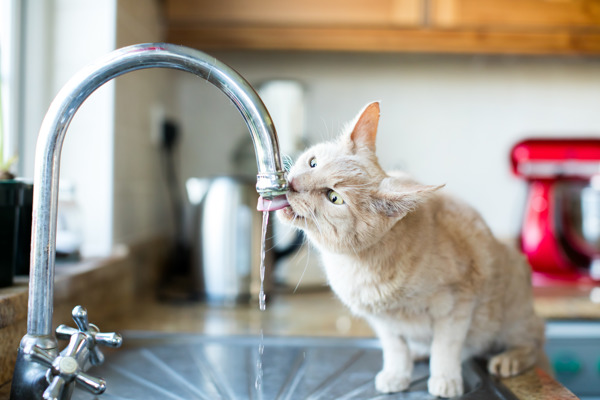
- they’ve just had a drink of water
When to see the vet about a wet cat nose
If your cat’s nose is persistently wet, especially with snot, it could be a sign that they are unwell.
A wet and snotty nose could be a symptom of:
- upper respiratory infections. Viruses or bacteria infect the mucus membranes in the nose and sinuses, which produce snot. This triggers the immune system to respond, causing inflammation and increased snot production, just like in humans with a cold. This snot often drains from the nostrils, resulting in a runny nose. The snot can be clear, cloudy or coloured, depending on the severity and type of infection. A common upper respiratory infection in cats is cat flu. Find out more about cat flu
- allergies. When a cat is exposed to allergens, their immune system may mistakenly identify these harmless substances as threats. This causes the body to release histamines, which lead to inflammation and increased snot production in nose. Common cat allergens include pollen, dust mites, mould, perfumes or certain types of litter
- dental disease. The spread of infection into the sinuses can cause rhinitis or sinusitis. This further increases snot production and results in a runny nose. Find out more about cat dental care
- nasal polyps or tumours. Both polyps and tumours trigger local inflammation, which stimulates the nasal glands to produce more snot. This results in a runny nose, sneezing, and sometimes noisy breathing
- foreign objects in the nose. These can block normal airflow and irritate the nasal lining, leading to increased snot production. The snot is often persistent and sometimes bloody or pus-like
- fungal infections. Inflammation and infection stimulate snot production. Snot may be clear, cloudy, yellow, green or bloody, and may be accompanied by sneezing, coughing or watery eyes
If your cat has an unusually wet nose accompanied by any of the following symptoms, speak to your vet:
- snot of any colour or consistency
- frequent bouts of sneezing or coughing
- pawing at the nose
- watery or gunky eyes
- lethargy
- difficulty breathing