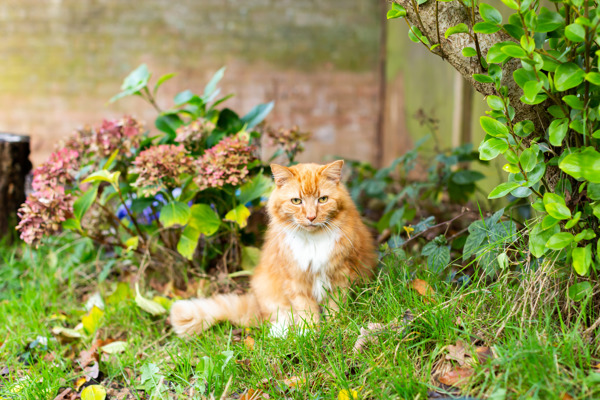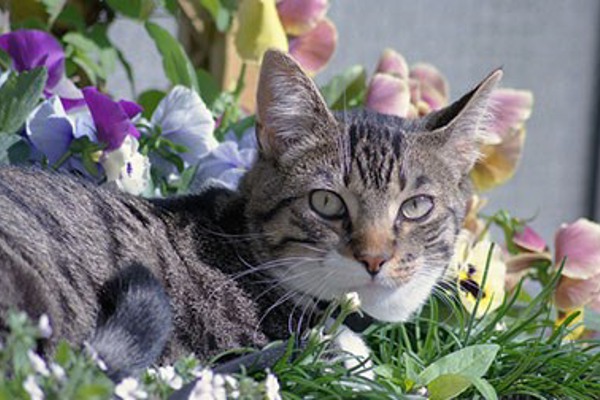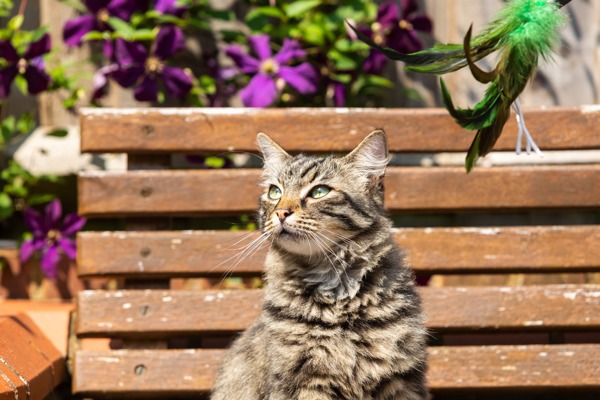
As the weather warms up, many of us will head into the garden to tidy up, plant new flowers and get things growing again. It’s also the time of year when cats tend to spend more time outdoors, exploring and enjoying the sunshine.
But spring can also bring a few hidden risks. Increased gardening activity often means more use of chemicals such as weed killer, slug pellets and insecticides, along with the return of seasonal plants that may be harmful to cats. Curious by nature, cats may walk through treated areas, investigate freshly dug soil or encounter substances that could make them unwell.
With a few simple precautions, it’s possible to enjoy your garden while keeping it a safe space for your cat.
In this guide
Spring plants to be aware of
Garden chemicals and products to use with caution
Grass seed and other hidden risks
Safer alternatives for pet-friendly gardening
What to do if your cat is exposed to something harmful
FAQs
Spring plants to be aware of
Spring gardens are full of colour, but some popular plants can be toxic to cats. Daffodils, tulips, bluebells, azaleas and rhododendrons are all commonly found at this time of year and can cause illness if chewed or eaten.
Lilies are particularly dangerous and should be avoided altogether, as every part of the plant is toxic to cats. Even small amounts can cause serious health problems.
If a cat comes into contact with a toxic plant, symptoms can include drooling, vomiting, diarrhoea, loss of appetite, lethargy, wobbliness or changes in drinking or urination. In more serious cases, you may notice breathing difficulties or collapse.
If you suspect your cat has ingested any part of any toxic plant, please seek advice from your vet immediately. You can find more information in our guide to dangerous plants.
Garden chemicals and products to use with caution
Many common gardening products can pose a risk to cats, even those labelled as ‘pet safe’ or ‘environmentally friendly’. It’s always worth checking carefully before using anything in your garden, including:
Slug pellets
Traditional slug pellets containing metaldehyde are extremely toxic to cats. Even a small amount can cause serious symptoms, including tremors, seizures and overheating, and can be fatal without urgent treatment.
If possible, it’s best to avoid chemical slug pellets altogether. Physical barriers, such as wool pellets or rough materials like eggshells or coffee grounds, can help deter slugs. Encouraging natural predators such as birds, hedgehogs and frogs can also help reduce slug numbers.
Weed killer
Weed killer is commonly used in spring, but it can present a risk if cats come into contact with treated areas. Even once a product has dried, some chemicals may remain in the soil and could be picked up on your cat’s paws or fur and ingested during grooming.
If you do choose to use weed killer, opt for products labelled as pet-safe and follow the instructions carefully. Keep your cat away from treated areas for longer than the recommended drying time, where possible. However, as it can be difficult to control where cats roam, manually removing weeds is often the safest option.
Insecticides
Insecticides are designed to kill insects, but many contain chemicals that are harmful to cats, including organophosphates, carbamates, pyrethrins and neonicotinoids. Even products described as ‘green’ or ‘natural’ may still contain ingredients that are unsafe.
It’s also important to remember that products safe for dogs are not always safe for cats. Some ingredients, such as permethrin, are highly toxic to cats.
If you do need to use insecticides, only choose products specifically labelled as cat safe and keep your cat away from treated areas until they are completely dry. You can find more advice in our guide to poisoning.
Potential dangers associated with grass seed
Grass seed is not toxic to cats, but it can still cause serious problems. Seeds can become embedded in a cat’s skin, paws, ears or eyes, or even be inhaled.
Once lodged, they can burrow into the body, leading to painful infections or abscesses that may require veterinary treatment. Symptoms can include limping, swelling, discharge or persistent licking.
If you are laying grass seed, try to keep your cat away from the area until it has settled. You could use temporary barriers such as twigs or place citrus peel around the area, as many cats dislike the smell. Creating a more appealing area elsewhere in the garden, such as a sunny resting spot or a digging patch, can also help.
It’s a good idea to check your cat regularly for grass seeds, particularly around their paws, ears and between their toes.
Safer alternatives for pet-friendly gardening
You don’t have to stop gardening to keep your cat safe. With a few adjustments, it’s possible to maintain a garden that is both safe and well cared for.
Chemical-free methods such as hand weeding, mulching or using boiling water on weeds in paved areas can reduce the need for potentially harmful products. Encouraging biodiversity in your garden can also help naturally control pests.
You can also make your garden more cat-friendly by providing shaded resting areas, quiet hiding spaces and planting safe options such as catmint. Giving your cat their own area may reduce digging in flower beds or other unwanted behaviour.
You can find more advice on keeping your cat safe outside in our guide to garden and outdoors safety.
What to do if your cat is exposed to something harmful
If you think your cat has been exposed to a harmful substance, contact your vet immediately. Prompt action can make a significant difference to the outcome.
Do not take a ‘wait and see’ approach, as some toxins take time to take effect. Tell your vet what your cat may have been exposed to, when it happened and any symptoms you have noticed. If possible, take product packaging or plant information with you.
Do not try to treat poisoning at home. Do not attempt to make your cat vomit or give food, milk or medication unless advised by your vet, as this can make the situation worse. Avoid washing chemicals off your cat’s fur unless your vet specifically advises you to do so.
Seek urgent veterinary attention if your cat shows symptoms such as tremors, seizures, vomiting, diarrhoea, excessive drooling, difficulty breathing, collapse, changes in behaviour or loss of appetite.
FAQs
What slug pellets are safe for cats?
Traditional slug pellets are highly toxic to cats. It’s best to avoid chemical products and use physical barriers or wildlife-friendly methods instead. Some products are marketed as pet safe, but always check the label carefully.
Is weed killer safe for cats once dry?
Some products are considered safer once dry, but chemicals can remain in the soil and may still be picked up on your cat’s paws. It’s best to keep cats away from treated areas and consider non-chemical alternatives, where possible.
Can I spray weed killer if I have a cat?
If you do use weed killer, choose a product labelled as pet-safe and follow the instructions carefully. Keep your cat away from the area for longer than the recommended drying time.
Is grass seed safe for cats?
Grass seed is not toxic, but it can become lodged in a cat’s paws, skin and other body parts and cause painful infections.
What happens if grass seed gets stuck in paws , ears or skin?
Grass seeds can become embedded in the body, leading to swelling, discharge or infection. Veterinary treatment may be needed to remove them.
With a bit of planning, it’s entirely possible to have a garden that is both attractive and safe for your cat. If in doubt, it’s always best to leave something out and choose a safer alternative.