Cat behaviour experts explain this common cat greeting
When you arrive home after a long day, you may be greeted by your cat rolling onto their back and looking adorable. They may even roll around a bit and put their paws in the air. This is a common greeting by cats, usually reserved especially for their favourite humans.
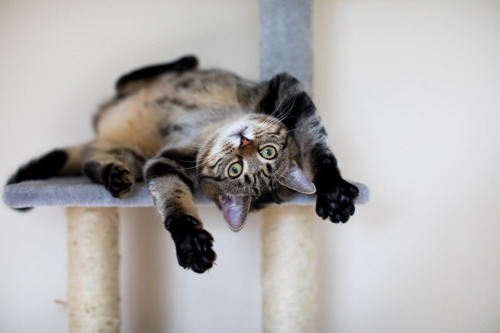
But there are a few other reasons why cats may roll onto their backs. Clinical Animal Behaviourist Daniel Warren-Cummings explores what it could mean when your cat rolls over.
Reasons why cats roll on their backs
- They’re happy to see you. If your cat flops onto their back when you come home, this could be their way of greeting you. They may roll around on the floor to show they are happy and excited to see you again.
- They want attention. Rolling around at your feet is a good way for your cat to get your attention. If you always respond by giving them a fuss, they will learn that rolling on their back gets this reward, and they will likely do it again.
- To relax and stretch. Cats need lots of rest, and lying on their back can be a comfortable resting position. It can also help them to stretch out, especially if they’ve been curled up asleep for a while.
- To sleep. While most cats like to curl up on their side or front, some cats may prefer to lie on their back for a snooze.
- They’re in heat. If you have an unneutered female cat, they may roll around on their back when they are ready to mate. They can be in heat every two to three weeks during the spring and summer months. Find out more about cat reproduction.
- A response to catnip. Many cats get excited by catnip. If they’re feeling stimulated by the catnip, they may roll around in response. Find out more about catnip.
What does it mean when a cat rolls on their back and tucks their paws?
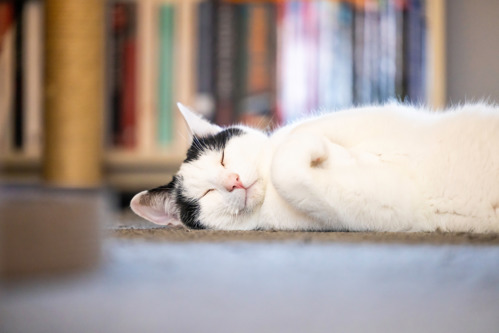
Cats can often be found in many weird and wonderful positions. Usually, if a cat has chosen to rest in a particular position, it’s because they find it comfortable. If your cat likes to lie on their back with their paws tucked in front of them, they probably find it particularly comfy.
If you usually give them a fuss or a treat whenever you see them in this cute position, they may also do it to get this reward again. This is known as positive reinforcement. If you reward your cat for doing something, they may learn that repeating it gets results!
Why does my cat roll on their back then bite me?
When your cat rolls around on their back, it may mean they are excited. If you pet them, they may start to get overexcited and overstimulated. This can sometimes result in them biting.
If they grab your hand and start to bite or bunny-kick with their back legs, they are misdirecting their hunting behaviour onto you. They are seeing your hand as prey, which they have an instinct to attack.
If your cat regularly bites you when they roll on their back, try playing with them using cat toys instead of giving them a fuss. Direct their hunting behaviour onto a fishing-rod toy or kicker toy to protect your hands from sharp teeth. Find out more about why cats bite.
What to do when your cat rolls on their back
When your cat rolls on their back, they may not want a response from you at all. They may be happy to just roll around and do their thing.
If you want to give them some fuss, try stroking them on the top of their head, cheeks or chin. These are places that most cats like being touched. It’s best to avoid stroking their tummy. For most cats, their belly is a vulnerable area that they don’t like being touched. They may try to bite or scratch you if you get too close. Find out how to pet a cat appropriately.
Why doesn’t my cat roll on their back?
If your cat has never rolled on their back, there is nothing to worry about. It may be that they don’t find this position comfortable or see no need to do it.
If your cat normally rolls on their back but has suddenly stopped, this could be a sign that something is wrong. Possible reasons include:
- A health issue. If your cat is unwell or in pain, they may not be comfortable rolling on their back. Take them to the vet to find out if there is a medical cause.
- They’re scared or stressed. If your cat is fearful or anxious, they may avoid relaxed positions such as lying on their back. They may prefer to stay alert and ready to escape at all times. Common reasons cats could be scared or stressed include new people or animals in the home or a change to their environment. Find out more about cat stress.